There are a few winter-specific issues that may impact your home’s plumbing this time of year, and freezing pipes is one of the most common such examples. The use of insulation is one of the most frequent and effective methods to guard against this risk, but how do you choose the right insulation if you’re considering this approach?
At City Creek Plumbing, we’re here to help with a wide range of plumbing repair services for clients around the Kaysville and Layton areas, including help with pipe insulation in winter and any related approaches to avoiding freezing pipes. Here are some of the key risk zones where pipes may be most susceptible to freezing, plus some recommendations on different insulation types – and even some general tips on how to install insulation if you’re going about this process on your own.
Common Pipe Freezing Risk Zones
While this will vary somewhat based on the layout of your home and pipe system, here are some areas that tend to be risky for pipes freezing during winter:
- Exposed basement pipes: Some of the most common pipes to freeze are those located in the basement, especially if they are exposed to cold air or drafts. These pipes are often not insulated well or at all, making them more susceptible to freezing.
- Pipes located in exterior walls: Any pipes that run through exterior walls, especially those with little insulation or near windows and doors, are at risk for freezing.
- Attic pipes: If your home has plumbing running through the attic, make sure it is well-insulated and protected from drafts. Attic pipes can easily freeze if not properly insulated.
Insulation Types to Consider
There are a few insulation types you might consider depending on your needs:
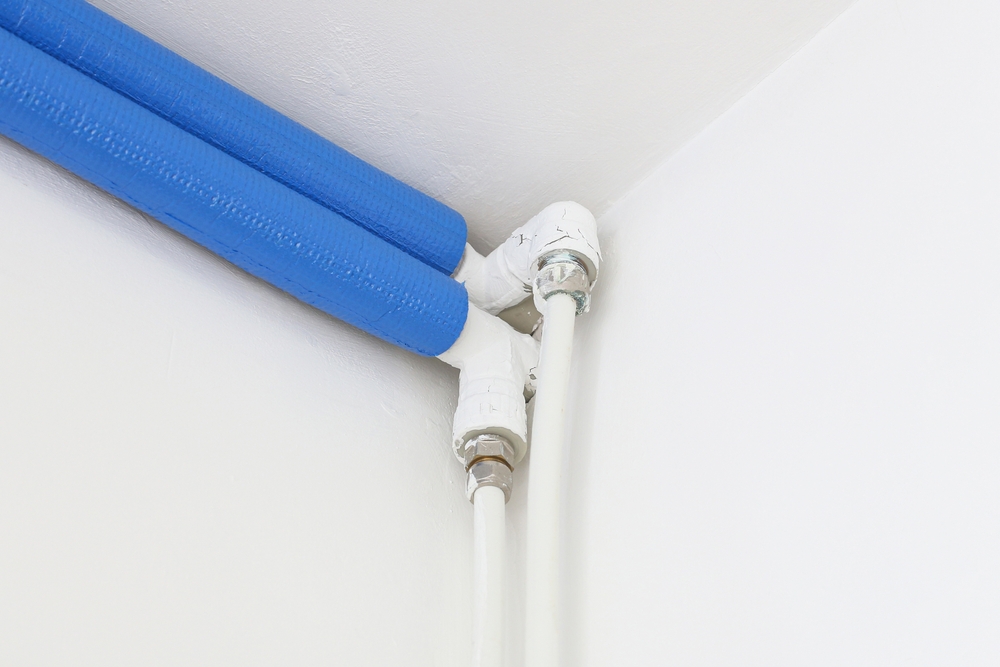
Foam Tubing
For smaller pipes, foam tubing can be a cost-effective and easy solution for insulation. It comes in various sizes to fit different pipe diameters and is easily cut with scissors. Simply slide the foam tubing over the pipes and secure it with duct tape.
Fiberglass Insulation
Fiberglass insulation is a more traditional option for insulating larger pipes. It comes in rolls or batts and can be wrapped around the pipes for added protection against freezing temperatures.
Reflective Foil Insulation
Reflective foil insulation is a reflective aluminum sheet that helps to reflect heat back towards the source, keeping the pipes warm. This type of insulation is typically used in attics and can also be effective for preventing frozen pipes.
Heat Tape
Similar to reflective foil but with a heating element, heat tape is used to wrap around pipes that are more prone to freezing. The heat from the tape helps to keep the pipes warm and prevent them from freezing over.
Installation Tips
For any of the insulation types we’ve gone over, homeowners who are comfortable can often install these themselves. Here are some general tips for doing so:
- Gloves and proper equipment: Insulation materials can be itchy and irritating to the skin, so be sure to wear gloves and any other protective equipment recommended for each type of insulation.
- Properly measure: Be sure to measure the area you are insulating accurately in order to purchase the right amount of material. This will save you time and money in the long run.
- Seal all gaps: When installing insulation, be sure to seal any gaps or cracks. This includes joints and elbows, which are often overlooked. Sealing these gaps will ensure maximum efficiency and prevent any air leaks.
- Follow manufacturer instructions: Each type of insulation may have specific installation instructions, so be sure to read and follow the manufacturer’s guidelines carefully.
And if you feel uncomfortable with any part of the installation process, it’s always best to consult a professional. Our team at City Creek Plumbing is here to help with any kind of pipe insulation in winter.
Importance of Pipe Insulation Maintenance
Once you’ve installed insulation, it’s important to regularly maintain and check for any damage or wear. Insulation can become less effective over time due to settling or shifting, so it’s crucial to keep an eye on its condition.
Here are a few reasons why regular maintenance is necessary:
- Energy efficiency: As mentioned before, pipe insulation helps in reducing heat loss and conserving energy. But if the insulation becomes damaged or worn out, it won’t be able to provide the same level of protection. This can lead to higher energy bills as your heating system will have to work harder to compensate for the lost heat.
- Prevention of frozen pipes: The main purpose of pipe insulation is to prevent pipes from freezing during the winter months. Frozen pipes can cause significant damage to your plumbing system and lead to expensive repairs. Regular maintenance of pipe insulation ensures that it is in good condition and able to protect your pipes from freezing temperatures.
- Protection against corrosion: Pipe insulation not only helps in conserving energy but also protects your pipes from corrosion. When pipes are exposed to different temperatures, they expand and contract, leading to wear and tear over time. Insulation helps in regulating the temperature of the pipes, preventing them from corroding and extending their lifespan.
- Improved safety: Properly insulated pipes reduce the risk of hot water scalding accidents by maintaining a consistent temperature. This is especially important for households with young children or elderly individuals who could be at risk of these incidents.
At City Creek Plumbing, we’re proud to offer the best plumbing repair services available around Kaysville, Layton, and nearby areas, including pipe insulation for winter. Contact us today to schedule service!